


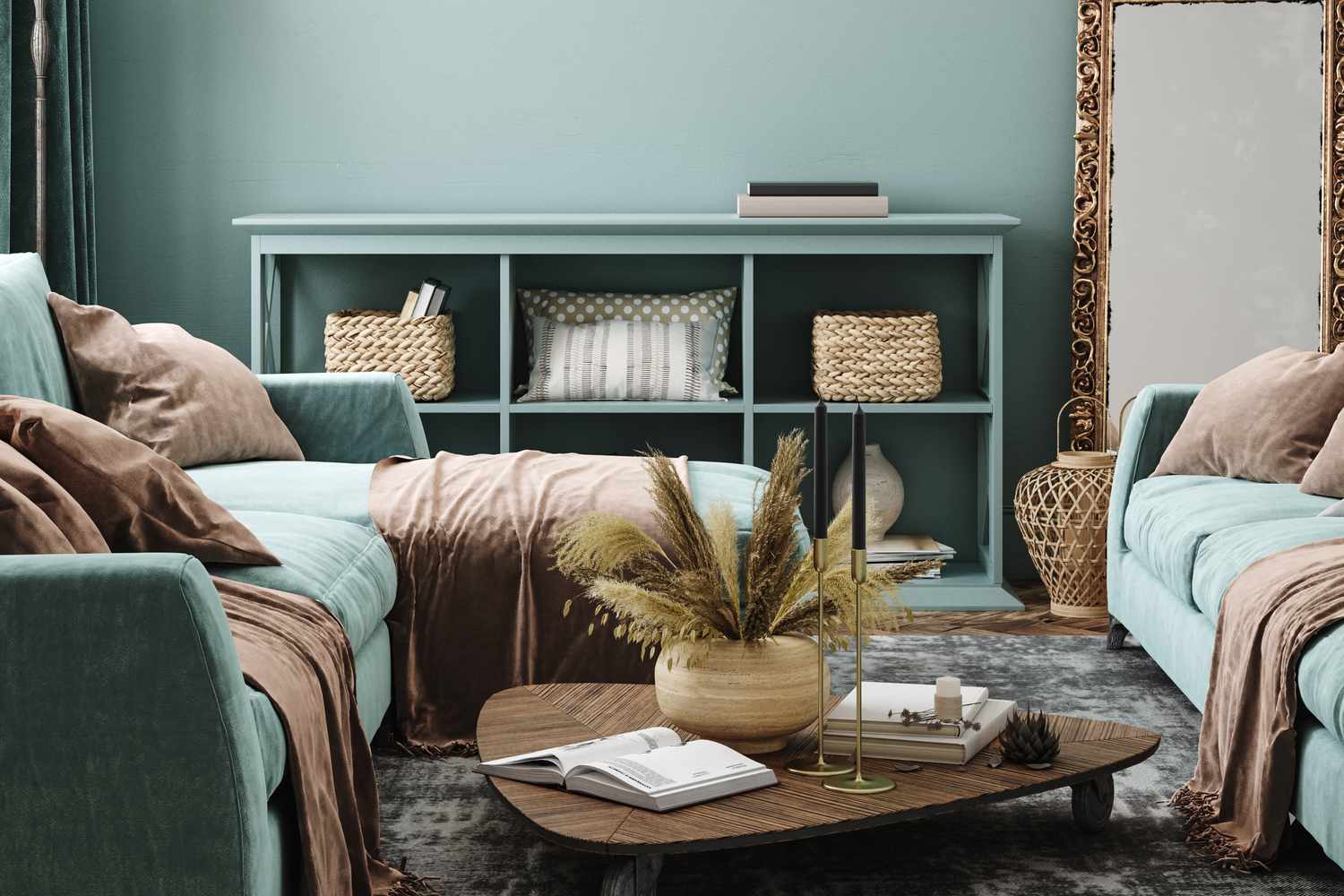
Building a home that is airy, hospitable, and comfortable is what many negligent homeowners want to achieve. But also some accoutrements can make even a decent-sized room feel small and claustrophobic unwittingly. Employing furniture, colours and accessories are important elements of the design for interiors however misusing them can downsize the view space of an area. Learning about the most proven biggest home decor fails will allow a homeowner a means to fully optimize their living space and make it feel much larger without costly renovations.
Selecting Oversized Furniture
Selecting over-sized furniture this is one of the most common mistakes, we make while decorating rooms at our own homes. Overly large furniture sets (like a huge sectional sofa or bulky coffee table) can quickly overpower and activate a space, restricting movement in days to come. Occasionally, the room is simply too small and packing it full of furniture can make the whole place feel patchy. Opt for a proportionate size to the room. Exposing the legs of your furniture can also help create the illusion of more floor space as it shows light and visibility underneath the piece.
Using Dark Colors Excessively
Dark paint colors offer depth and richness, but when you have 4 light walls it often pushes the walls towards each other too much. The opposite of the light colors are deep colours, which do not reflect light but absorbs it and this will make a room more enclosed. For example, dark accents may look good but the bright wall colors to utilize include white, cream, light gray or any soft color palette since these will reflect natural and artificial light which makes a space appear lighter and larger. For darker colour lovers, stick one or two walls in certain shades instead of covering every surface.
Blocking Natural Light
One way to give an illusion of space and make your room feel bigger is the use of natural light. Unfortunately, lots of ancient home-owners unknowingly block out daylight with heavy drapes or giant window remedies, even furniture positioned right in front of windows. Insufficient light form shadows which make the room dull and smaller. Use sheer curtains, light-coloured blinds or window treatments that can be completely opened during the day. Not blocking windows allows sunlight to pass throughout the room.
Overcrowding with Decorative Accessories
Decorative accessories provide character and flavor to a home, but the excessive decorating usually leads to visual clutter. Shorter response: Too many picture frames, too many collectibles, plants and ornaments on tables can make for a cluttered room that feels cluttered. Every surface is filled with decor, when there is nothing left for the eye to rest upon, causing the space to appear small. Instead, go for a well edited selection of items that flatter your design style. Clean and spacious look: The minimalist design will often create a cleaner, more spacious flow in your space.
Ignoring Vertical Space
Almost everyone concentrates solely on floor space and ignores the walls. Not using vertical space will make room seem confined as the storage and decor all done on ground level. Using tall bookshelves, wall-mounted shelves and vertical artwork can make the eyes go up which creates an effect of higher ceilings and a more spacious room. Vertical spatial elements enable you to maximize function while offering an open floor plan.
Poor Furniture Placement
How the furniture is structured can also make a huge difference to how big or small, a living space feels. While it might seem like a sound decision to shove every piece against the walls, this creates an awkward void in the center of the room. Similarly, if the furniture is placed in a way to block the ways it can also restrict movement and will cause congesting. Deliberate furniture arrangement that promotes the flow and provides obvious walking paths will create a sense of spaciousness in addition to functionality.
Using Small Rugs Incorrectly
Rugs can help you delineate spaces and bring comfort, but selecting a too-small rug will cut the room up. If there is a tiny rug, floating middle of the room, it can give an impression that space is small. If you want to style it properly, furniture should sit half on the rug and half over it. Large rugs frequently lend an air of spaciousness to rooms by pulling all the pieces in one go.
Excessive Wall Decor
Gallery walls & decorative art can be great, but too many pieces up at once creates visual noise on the wall. If the walls are blank, however, or if each wall is covered in art, mirrors and ornaments then the room could still feel crowded or enclosed. Choose fewer statement pieces rather than lots of smaller random items. In fact, bigger artwork can make a room feel larger—using a big piece as a strong focal point without cluttering the space.
Neglecting Mirrors
Mirrors are the oldest interior design trick in the book to make spaces feel bigger. They reflect, and they offer a visual depth that opens up spaces. A lot of homeowners drop the ball by not putting a mirror directly across from windows or in tight spaces. A mirror in the right place adds light to a room and twice its size.
Conclusion
Home design often has less to do with square footage and more about the way that space is used. Oversized products, dark colours, blocked daylight, key attraction and impaired format options additionally make an area seem smaller sized than it in actual reality is. Your home can be a brighter, airier, and more comfortable living space by choosing the right size of furniture to fill it with light, using less than the ordinary clutter in design concepts like mirrors and vertical storage. Improvements in the decor, even modest ones, can make a difference with every room appearing more big and welcoming.




+ There are no comments
Add yours